
A deep dive into traditional Nigerian cuisines, saturated fats, red palm oil, and practical steps to maintain healthy lipid levels.
Nutrition plays a central role in cardiovascular wellness. As dietary transitions occur across Nigeria, the consumption of ultra-processed foods, refined sugars, and trans-fats has risen alongside traditional high-calorie meals.
### The Truth About Fats & Oils in Nigerian Diets
- **Red Palm Oil:** Unrefined red palm oil contains beneficial antioxidants such as beta-carotene and vitamin E, but its high saturated fat content means it must be consumed in moderation.
- **Deep Frying & Reusing Oils:** Reheating vegetable oils multiple times produces harmful trans-fatty acids that raise LDL ("bad") cholesterol and cause endothelial dysfunction.
### Recommendations for Heart-Healthy Eating
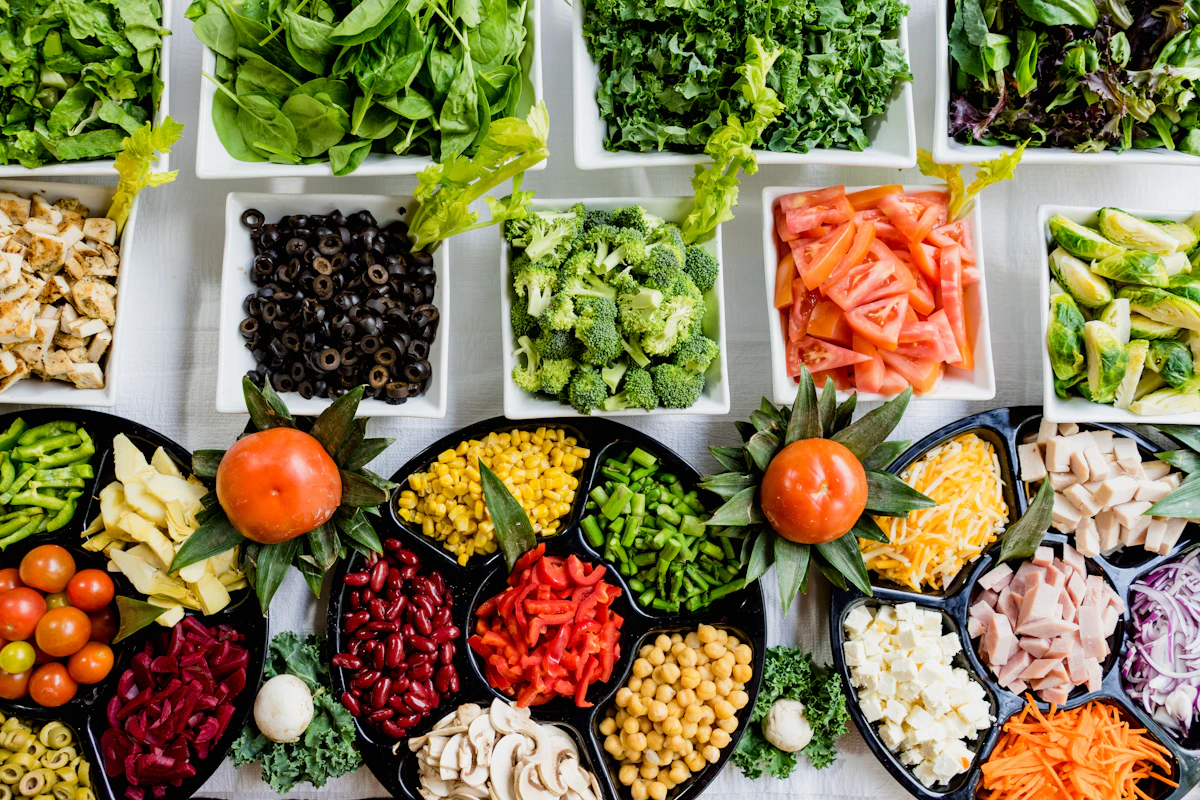
- Incorporate fresh leafy vegetables (*efo tete*, *ugwu*, *waterleaf*) into daily soups.
- Replace fried snacks with fresh fruits, roasted groundnuts, and whole grains.
- Monitor serum lipid profiles regularly, especially for individuals over 40 years old.
### The Truth About Fats & Oils in Nigerian Diets
- **Red Palm Oil:** Unrefined red palm oil contains beneficial antioxidants such as beta-carotene and vitamin E, but its high saturated fat content means it must be consumed in moderation.
- **Deep Frying & Reusing Oils:** Reheating vegetable oils multiple times produces harmful trans-fatty acids that raise LDL ("bad") cholesterol and cause endothelial dysfunction.
### Recommendations for Heart-Healthy Eating
- Incorporate fresh leafy vegetables (*efo tete*, *ugwu*, *waterleaf*) into daily soups.
- Replace fried snacks with fresh fruits, roasted groundnuts, and whole grains.
- Monitor serum lipid profiles regularly, especially for individuals over 40 years old.